When your car cranks but won’t start, the sound can be misleading. The starter is turning the engine, yet the engine never begins running on its own. That is different from hearing a click or silence when you turn the key. Normal cranking usually shifts the investigation away from the starter motor and toward the conditions needed for combustion.
On a petrol engine, those conditions include the right fuel-air mixture, a spark delivered at the correct time, and adequate compression. Diesel engines ignite fuel through compression rather than spark plugs, but still need fuel delivery and correct timing.
First, confirm that the engine is actually cranking
Cranking means the engine rotates repeatedly while you hold the key in the start position or press the start button, but never settles into an idle. If you hear clicks or unusually slow rotation, check the battery, connections, and starter circuit first. A weak battery can sometimes rotate the engine while supplying insufficient voltage to electronic controls.
Listen for changes in speed, too. An engine that suddenly spins much faster than usual may have lost compression because of a timing problem. An irregular rhythm can suggest that compression differs between cylinders. Neither sound proves a diagnosis, but both are useful clues.
Fuel delivery problems that prevent starting
Empty tank, faulty pump, or restricted supply
An empty fuel tank is worth ruling out even when the gauge suggests otherwise. If fuel is present, a failed fuel pump, pump relay, fuse, wiring connection, or severely restricted filter can leave the engine without enough fuel pressure.
Some vehicles make a brief humming sound when the fuel pump primes after the ignition is switched on. Silence may be a clue, but not every vehicle primes audibly, and a hum does not establish correct pressure. A technician can test fuel pressure and pump electrical supply against the vehicle’s specifications.
Injectors and fuel quality
Even with adequate pressure, fuel may not enter the cylinders correctly. Injector electrical faults, blocked injectors, or control-system problems can interrupt injection. Contaminated or incorrect fuel can also cause trouble. If the failure began immediately after refuelling, tell the mechanic what was added and avoid repeated start attempts if misfuelling is suspected.
Ignition faults: the engine turns but never fires
In a petrol car, worn or fuel-soaked spark plugs, failed ignition coils, damaged wiring, and ignition-control faults can stop the mixture from lighting. Misfiring, hesitation, or rough running before the failure may point toward ignition trouble, although those symptoms overlap with fuel problems.
A strong fuel smell after cranking can indicate unburned fuel, but it cannot confirm that spark is missing. Do not pull ignition components or test for spark near fuel vapours: ignition systems carry dangerous voltages, and exposed fuel presents a fire risk. Proper testing is safer.
Crankshaft and camshaft sensor failures
Modern engine computers rely on crankshaft and often camshaft position signals to coordinate ignition and injection. If a sensor fails, wiring becomes damaged, or the signal is unreliable, the computer may not know when to command spark or fuel. This can produce an engine cranks no start complaint even while mechanical parts turn normally.
Consider a car that stalls after a long drive, cranks without firing while hot, then restarts after cooling. Heat-sensitive sensor or wiring faults are possible, although fuel and electrical issues can behave similarly. An OBD-II scan may reveal a related fault code; viewing engine-speed data during cranking can add evidence. A code indicates what to investigate, not necessarily which component to replace.
Low compression and incorrect engine timing
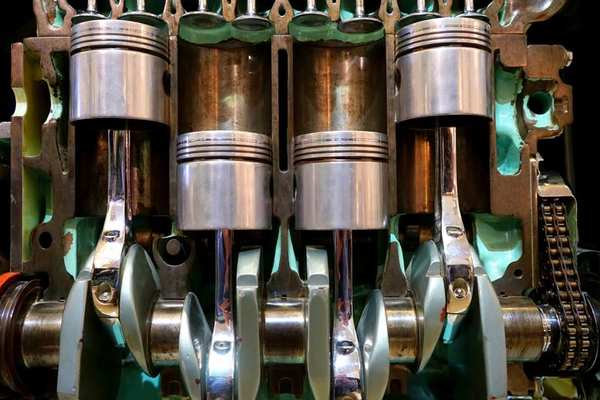
Compression seals the mixture inside each cylinder so combustion produces force. Worn internal parts, leaking valves, damaged head gaskets, or a slipped or broken timing belt or chain can prevent adequate compression. Incorrect valve timing may cause a crank-no-start condition even when fuel and spark are present.
A sudden stall followed by noticeably faster cranking deserves attention. If a timing belt or chain has failed, continued starting attempts can worsen damage in certain interference engines. Stop cranking and arrange an inspection. Compression, leak-down, and timing checks help distinguish these faults.
Other causes that are easy to overlook
Not every car turns over but won’t start because a pump or sensor has failed. Some vehicles allow cranking while an immobiliser fault prevents injection or sustained running. Look for a security warning on the instrument panel and follow the owner’s manual for the key or fob procedure.
A severely obstructed air intake, a major intake leak, or an electronic throttle fault can also affect starting. On diesel vehicles, glow-plug or preheating faults can particularly complicate cold starts, although they do not explain every diesel no-start.
A sensible order for diagnosing a crank-no-start
Start with observations that do not require opening a pressurised fuel system or handling high-voltage components. Note whether the failure happened suddenly, after a repair, after refuelling, only when hot, or in cold weather. Those details narrow possible crank no start causes.
Checks you can make safely
Confirm the fuel level, watch for dashboard warnings, and listen to cranking speed and rhythm. Check the owner’s manual for relevant fuses and immobiliser instructions. If you have an OBD-II reader, record fault codes before clearing anything. Allow the starter to cool rather than cranking continuously.
Tests best left to a workshop
A technician can evaluate battery voltage under load, fuel pressure, injector command, ignition output, sensor signals, and compression. For example, if the engine stopped abruptly on the road, now cranks unusually fast, and shows very low compression, timing inspection takes priority over replacing a fuel pump. The pattern of evidence matters more than one symptom.
If cranking is slow instead of normal, consult a battery testing guide before assuming an engine fault. A starting system troubleshooting guide helps separate starter and combustion problems, while an engine misfire diagnosis guide is useful when the car still starts intermittently.
Frequently asked questions
Can a bad battery cause a car to crank but not start?
Yes. A weak battery may rotate the engine but let voltage fall too low for reliable ignition, injection, or electronic control. Normal-speed cranking makes battery trouble less likely, not impossible.
Does a failed fuel pump always make the engine stop immediately?
No. A pump may become intermittent or gradually lose pressure, causing difficult starts, hesitation, or stalling first. Pressure and electrical tests are needed to confirm the problem.
Will a check engine light identify why the engine is not firing?
Not by itself. Diagnostic codes can point to relevant circuits or sensor signals, but a no-start can occur without a stored code. Further testing establishes the root cause.
Should I keep trying to start a car that cranks but won’t start?
A couple of brief attempts may be reasonable, but prolonged cranking can drain the battery and overheat the starter. Stop if you smell leaking fuel, hear unusual mechanical sounds, or suspect timing damage.
What to remember
If the starter turns the engine normally but it will not run, focus on fuel, ignition where applicable, sensor signals, compression, and timing. The quickest repair begins with targeted tests rather than a list of replacement parts. If the cause remains uncertain, professional diagnosis can prevent unnecessary expense and damage.