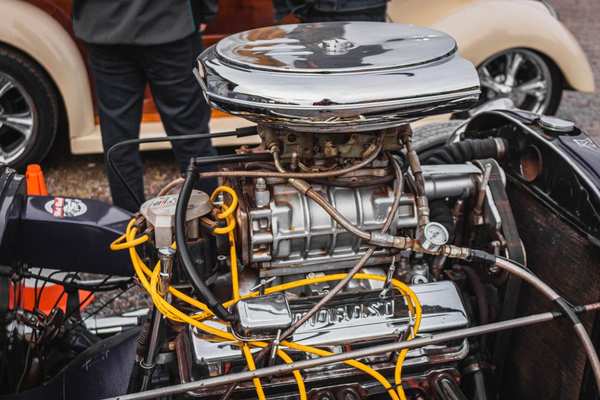
A car that vibrates at a stoplight or clunks when you select Drive can feel as though its engine or transmission is failing. Sometimes the problem is a worn engine mount allowing normal forces to reach the cabin or move the powertrain too far. The trick is recognizing the pattern rather than blaming every shake on a mount.
Bad engine mount symptoms include extra vibration at idle, dull knocks during acceleration or gear changes, and excessive engine rocking. Not every car shows all three, and other faults can imitate them. Here is how to interpret the clues.
Why a small mount can make the whole car feel rough
Engine mounts secure the powertrain while cushioning vibration from combustion and rotating components. Most use bonded rubber, sometimes with hydraulic fluid; some vehicles use electronically or vacuum-controlled mounts. Transmission mounts help restrain the assembly too.
Rubber can harden, crack or separate with age, heat and oil exposure. Hydraulic mounts may leak. A mount can fail to isolate vibration or fail to control movement. That explains why one driver notices a buzz while another hears a heavy thud.
The signs that point toward worn engine mounts
1. Stronger vibration while idling
One of the clearest motor mount symptoms is new shaking through the steering wheel, seat, dashboard or floor while stopped. The engine may sound smooth, yet the cabin feels harsh. On some automatic cars, vibration becomes more obvious while stopped in Drive with the brake applied because the powertrain is under load.
Vibration from bad mounts often changes with engine speed and load. But a misfire, unstable idle or faulty accessory can cause shaking too. If the engine stumbles or the check-engine light flashes, do not assume a mount is responsible.
2. A clunk when engaging a gear or changing throttle
A dull knock when shifting from Park to Drive or Reverse may occur as the powertrain moves against a deteriorated mount. You might hear a thud when pulling away, lifting off the accelerator or changing gears. A separated mount can let a bracket reach its movement limit.
Clunks are not exclusive to mounts. Suspension joints, driveline components and transmission issues can sound similar. A noise that repeatedly accompanies a change in engine torque is a stronger clue than an unrelated rattle over rough pavement.
3. Excessive engine movement under load
Engines are designed to move slightly. The warning sign is unusually large rocking, lifting or shifting as torque changes. A driver may feel a lurch even while the engine runs smoothly. Severe movement can strain nearby components.
There is no universal movement distance that proves mount failure; acceptable travel varies by vehicle. A technician can compare movement with the manufacturer’s procedure instead of relying on a generic measurement.
4. A harsh jolt that feels like a bad shift
A worn mount can make normal gear engagement feel abrupt because the drivetrain shifts before the mount restrains it. This is easy to mistake for transmission trouble. Actual transmission problems may also cause slipping, delayed engagement, warning lights or unusual engine-speed changes, all of which require separate diagnosis.
5. Damaged rubber, fluid leaks or nearby contact
Cracked or collapsed rubber, separation at bonded sections, or leaking fluid from a hydraulic mount are engine mount failure signs. Oil from another leak can also damage mount materials. Excess movement may cause the exhaust, intake tubing, hoses or wiring to rub or stretch.
Minor surface cracking does not necessarily prove failure, and some mounts are hard to see. Condition, alignment and movement must be considered together.
A stoplight example: what the pattern can tell you
Imagine a car that idles smoothly in Park but sends a low buzz through the seat when stopped in Drive. It also makes one muted thump when pulling away, without hesitation or misfiring. That combination makes mounts worth inspecting: loading the drivetrain changes the vibration, and the first torque change produces a knock.
Now consider a car that shakes while driving, loses power and has a flashing check-engine light. That pattern is more concerning for a running fault, such as a misfire. Do not continue driving with a flashing check-engine light; seek prompt diagnosis to reduce the risk of catalytic-converter damage. Our guide to engine misfire symptoms can help explain the distinction.
How to check the clues without taking risks
Start with observations from normal driving. Note whether the shake happens at idle, in gear, during acceleration or over bumps. Record whether engine speed stays stable and whether warning lights appear. Such details are more useful to a mechanic than saying the car feels rough.
With the engine off and cool, an accessible mount may be visually inspected for obvious tears, separation or leaking hydraulic fluid. Keep clear of belts, fans and hot components. Never crawl beneath an unsupported vehicle or attempt to hold the engine in position.
Workshops can perform controlled load tests to observe rocking. Do not attempt a brake-and-throttle test at home: the vehicle could lurch. A qualified technician can also check transmission supports, exhaust clearances and related components. Comparing transmission mount symptoms and other drivetrain clunk causes helps avoid replacing the wrong part.
When replacement should be a priority
Persistent new vibration or a repeatable clunk deserves inspection. Loud impacts, severe engine movement, visible separation or damaged hoses warrant urgent attention. If the car feels unsafe, arrange recovery rather than driving it.
Replacement depends on the failed mount and vehicle design. Not every mount must be replaced together, but the others should be checked. Some jobs need professional engine-support equipment. A correctly specified replacement matters: an unusually stiff mount may transmit more vibration than the original.
Frequently asked questions
Can a bad engine mount cause vibration at idle?
Yes. Hardened, separated or collapsed rubber can transmit vibration into the cabin, sometimes most noticeably while stopped in gear. An uneven idle or misfire can feel similar, so check the engine’s running condition too.
Can bad mounts make the transmission seem faulty?
Yes. Excessive drivetrain movement can create a jolt during gear engagement that resembles a rough shift. Mounts do not explain slipping, delayed engagement or every transmission warning.
Is it safe to drive with a worn motor mount?
Mild wear may not cause an immediate breakdown, but continued driving can strain other mounts, hoses, exhaust connections and wiring. Severe movement or repeated banging increases the urgency. Have it assessed promptly.
Will replacing an engine mount stop all shaking?
Only if that mount is the main cause. Misfires, wheel or tire problems, exhaust contact and other faults can cause shaking. Confirming the diagnosis helps avoid unnecessary parts replacement.
What the symptoms add up to
The relationship between vibration, noise and load is the most useful clue. A steady buzz at idle, a thud as torque changes and excessive movement together make a worn mount more plausible than any single symptom. Recognize the pattern, avoid risky DIY load tests and arrange an inspection before surrounding components suffer damage.