
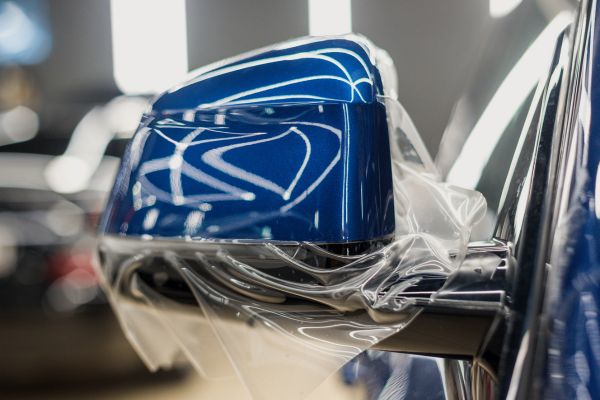
Choosing paint protection film sounds easy until you actually start comparing options. One installer talks about self-healing technology. Another mentions hydrophobic top coats. A brand page highlights TPU quality, gloss, matte finish, warranty, thickness, adhesive, stain resistance, and half a dozen other details. Suddenly, what looked like a simple car protection upgrade becomes a proper decision.
That is not a bad thing. Paint protection film, often called PPF, is one of the most useful ways to protect a vehicle’s paint from everyday damage. Road debris, stone chips, bug stains, bird droppings, light scratches, and swirl marks can all take a toll on a car’s finish. A good film acts as a clear barrier between the paint and the outside world. But not every film is the same, and not every car needs the same level of coverage.
The right PPF depends on how you drive, where you park, what kind of finish your car has, and how long you plan to keep it. A weekend sports car, a family SUV, a luxury sedan, and a daily commuter may all need different protection plans. The goal is not to buy the most expensive film blindly. The goal is to choose protection that actually fits your vehicle.
Start With How You Use Your Vehicle
Before comparing brands or film types, think about your driving habits. This is where the decision really begins. A car that spends most of its time on highways faces a different kind of risk than one that is mostly used around town. Highway driving usually means more stone chips, sand impact, bug splatter, and front-end wear. City driving may bring more parking scratches, door edge marks, and bumper scuffs.
If your vehicle is a daily driver, the front bumper, hood, mirrors, and fenders are usually the first areas to consider. These panels take the most abuse from road debris. If you own a sports car or a high-value luxury vehicle, full-body PPF may make more sense, especially if you care about preserving original paint condition.
For leased cars, partial coverage can be practical because it helps reduce visible wear before return. For long-term ownership, more coverage may be worth considering because paint condition affects both appearance and resale value.
Understand the Main Types of PPF
Most people think of PPF as a clear glossy film, but the market has grown far beyond that. Clear gloss PPF is still the most common option because it protects the paint while keeping the factory look. When installed properly, it should be hard to notice unless you look closely at edges or panel gaps.
Matte and satin PPF are also popular now. They can protect factory matte paint or change a glossy car into a softer, more modern finish. This is especially appealing for drivers who want a custom look without committing to a full repaint. Matte PPF needs careful selection, though, because poor-quality film can make the finish look uneven or cloudy.
There are also colored and fashion-style films that combine paint protection with restyling. These are useful for owners who want visual change and protection in one package. Still, if your main goal is invisible protection, a high-quality clear gloss or matte film is usually the safest choice.
Pay Attention to Film Material
A good PPF is usually made from TPU, or thermoplastic polyurethane. TPU is flexible, durable, and better suited for automotive paint protection than older PVC-based materials. It can stretch around curves, resist damage, and maintain clarity over time when properly manufactured.
Lower-quality films may look acceptable at first but can yellow, crack, haze, or lift around edges after exposure to sun, heat, rain, and washing chemicals. This is why material quality matters so much. You are not only buying a clear layer. You are buying something that must survive years of weather, washing, and road conditions.
When comparing PPF solutions, look for information about TPU quality, resistance to yellowing, optical clarity, adhesive stability, and surface coating. These details tell you more than a simple “premium film” label ever can.
Look for Self-Healing Performance
Self-healing is one of the most talked-about features in modern PPF. It means light surface scratches and swirl marks can fade when the film is exposed to heat, such as sunlight, warm water, or controlled heat from an installer. This does not mean the film repairs deep cuts or heavy damage. It simply helps the surface recover from light marks that happen during normal washing and driving.
This feature is especially useful on darker vehicles because black, navy, and deep red paint tend to show fine scratches more clearly. A self-healing top coat can help the film look fresher for longer.
Still, it is important to keep expectations realistic. Self-healing PPF is not magic. It will not erase a deep scrape from a sharp object. It will not make careless washing harmless. But for everyday light marks, it can make a noticeable difference.
Consider Hydrophobic Properties
Hydrophobic PPF has become more popular because drivers like surfaces that repel water and dirt. A hydrophobic top coat helps water bead and roll off more easily. This can make washing simpler and reduce how strongly grime sticks to the surface.
If you live in an area with frequent rain, dust, insects, or road salt, hydrophobic behavior can be useful. It does not mean the car stays clean forever, but it can make maintenance less frustrating. The vehicle may rinse more easily, dry with fewer water marks, and feel smoother after washing.
Some owners apply ceramic coating over PPF for even stronger water behavior. That can work well, but it should be done with products that are safe for film. The installer should guide you on whether the film already has a strong top coat or whether additional coating is worth it.
Choose the Right Coverage Area
Coverage is just as important as film quality. You do not always need full-body PPF. For many drivers, a partial or full-front package offers the best value. This usually includes the bumper, hood, front fenders, side mirrors, and sometimes headlights. These are the areas most exposed to road damage.
A full-body installation offers the highest level of protection, but it costs more and requires more installation time. It makes sense for expensive vehicles, collector cars, exotic cars, matte finishes, or owners who want the whole car protected evenly.
Door cups, door edges, rocker panels, rear bumper luggage areas, and side skirts are also worth considering. These smaller zones often collect scratches from daily use. A thoughtful coverage plan should match the way the vehicle is actually used, not just follow a standard package.
Do Not Ignore the Installer
Even the best film can look bad if it is installed poorly. PPF installation is skilled work. The installer must clean and prepare the surface, position the film correctly, manage stretch, avoid trapped dirt, reduce visible edges, and trim safely without damaging paint.
A good installer will explain coverage options clearly. They should not pressure you into unnecessary work, but they should help you understand where your vehicle is most vulnerable. They may use pre-cut patterns, custom bulk installation, or a mix of both depending on the car and the desired finish.
Look at previous work if possible. Pay attention to edges, corners, mirrors, bumpers, and complex curves. A neat installation should look clean and settled, not rushed or uneven.
Think About Warranty and Aftercare
Warranty terms can reveal a lot about a film. Good PPF brands usually provide coverage against issues like yellowing, cracking, bubbling, or adhesive failure under normal conditions. The exact warranty length and coverage can vary, so it is worth reading the details instead of relying only on a headline number.
Aftercare also matters. Most films need a short curing period after installation. During that time, washing, pressure washing, or picking at edges should be avoided. Later, safe washing habits help the film last longer. Use proper wash mitts, clean towels, and gentle shampoos. Avoid harsh chemicals unless the installer confirms they are safe for the film.
PPF is protective, but it is still a surface that needs care. Treat it well and it will usually reward you with better long-term appearance.
Balance Budget With Real Protection Needs
Price is always part of the decision, but the cheapest option is rarely the smartest. Low-cost film may save money at first, but if it yellows, lifts, or looks cloudy, replacing it becomes more expensive and inconvenient. At the same time, not every driver needs the most expensive full-body installation.
A balanced approach often works best. Protect the high-impact areas first, then add more coverage if your budget and vehicle value justify it. For many owners, full-front PPF plus selected smaller areas gives strong everyday protection without going overboard.
The right choice should feel practical. It should protect the parts of the car that need it most while matching your expectations for appearance, maintenance, and long-term use.
Conclusion
Choosing the right PPF for your vehicle is not about chasing the most expensive film or the biggest coverage package. It is about understanding your car, your driving habits, and the kind of protection that will make a real difference. A good film should offer clarity, durability, self-healing performance, stable adhesive, and a finish that suits the vehicle’s style.
The best results come from matching quality material with skilled installation and sensible coverage. For some cars, that may mean protecting only the front end. For others, full-body PPF may be the right decision. What matters most is that the film works with the way the vehicle is actually driven and maintained.
In the end, PPF is not just about keeping paint safe. It is about preserving the look, value, and quiet pride that comes with driving a car that still feels well cared for years down the road.