
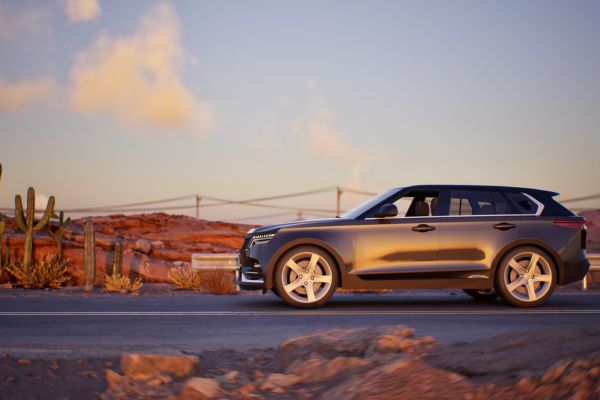
Electric cars are no longer the strange, futuristic choice parked at the far end of the dealership lot. By 2026, they have become familiar enough that many buyers are now asking a more practical question: are used electric cars worth buying, or is it still safer to stick with a traditional petrol or hybrid vehicle?
The answer is more interesting than a simple yes or no. A used EV can be a smart buy, especially for drivers who mostly travel around town, have access to home charging, and want lower day-to-day running costs. But it is not the right fit for everyone. Battery condition, charging access, range expectations, software support, and resale value all matter more than they would with a regular used car.
The good news is that the used EV market has matured. There are more choices, more real-world ownership data, and less mystery around battery life than there was just a few years ago. The challenge is knowing which details actually matter before handing over your money.
Why Used Electric Cars Feel More Sensible in 2026
A few years ago, buying a used electric car felt like a bit of a gamble. Early EVs had shorter ranges, fewer charging options, and a lot of public anxiety around battery replacement costs. Some of that concern was fair. Some of it was exaggerated.
In 2026, the picture looks different. Many used EVs now come from a generation of cars with better battery management, improved charging speed, stronger safety systems, and more practical ranges. Models that once seemed expensive when new have fallen into the used-car market, making electric driving available to buyers who would never pay new-car prices.
Depreciation also plays a big role. EVs can lose value quickly in their first few years, especially when newer models arrive with longer range or faster charging. That can be frustrating for the first owner, but it creates an opportunity for the second buyer. A three- or four-year-old EV may offer modern technology, quiet driving, and low running costs at a much more approachable price.
This is where the phrase used electric cars worth buying becomes more than a search term. It points to a real shift in the market. Buyers are not just hunting for the cheapest EV. They are looking for the right balance of price, range, battery health, comfort, and long-term usability.
Battery Health Is the Heart of the Decision
The battery is the single most important part of a used electric car. It affects driving range, performance, resale value, and peace of mind. Unlike a fuel tank, a battery slowly loses capacity over time. That does not mean it suddenly becomes useless, but it may hold less energy than it did when new.
For most modern EVs, battery degradation is usually gradual. A car that originally offered 250 miles of range may still provide enough real-world range for daily driving after several years, especially if it has been charged and maintained sensibly. The key is not expecting the dashboard range figure to match the original brochure number exactly.
Before buying, ask for a battery health report if one is available. Some dealerships can provide this, and some independent inspection services now include battery testing. At the very least, compare the car’s displayed range at a high state of charge with what owners of the same model typically report. A short test drive can also reveal whether the estimated range drops unusually fast.
Battery warranties matter too. Many electric cars carry separate battery coverage that lasts longer than the basic vehicle warranty. However, the details vary by brand and model. Some warranties only cover complete failure, while others cover capacity loss below a certain percentage. Always check what remains, whether it transfers to the next owner, and what conditions apply.
Range Matters, But Daily Use Matters More
Range anxiety has shaped the EV conversation for years, but in the used market, range should be judged realistically. Not everyone needs a 300-mile electric car. A driver who covers 25 miles a day, charges at home, and rarely takes long trips may be perfectly happy with an older EV offering 120 to 180 miles of real-world range.
The problem begins when buyers choose an EV based on the best-case range number rather than their actual lifestyle. Cold weather, motorway speeds, hills, passengers, and air conditioning can all reduce range. So can battery age. A used EV that looks fine on paper may feel limiting if your commute is long or charging is inconvenient.
For city driving, school runs, errands, and predictable commuting, many used EVs make excellent sense. They are quiet, easy to drive, and often cheaper to fuel than petrol cars. For regular long-distance driving, the decision needs more care. Charging speed and charging network compatibility become just as important as range.
A car with a large battery but slow charging may be less convenient on road trips than a slightly newer EV with better charging performance. This is one of those details that used-car listings do not always make obvious, but it can shape the ownership experience.
Charging Access Can Make or Break the Experience
The best used EV ownership usually starts with easy charging. If you can charge at home overnight, an electric car becomes much simpler. You wake up with enough range for the day and avoid relying on public chargers for routine driving.
Without home charging, buying a used EV can still work, but it requires more planning. You need reliable chargers near your home, workplace, supermarket, or regular routes. Public charging costs can vary widely, and fast charging is often more expensive than home electricity. If you depend only on public chargers, the savings compared with a petrol car may shrink.
It is also important to check the car’s charging port and maximum charging rate. Some older EVs use less common charging standards or have slower rapid-charging ability. That does not make them bad cars, but it does make them better suited to local driving than cross-country travel.
Before buying, imagine your normal week. Where would you charge? How often? Would it be convenient in bad weather or late at night? A used EV that fits your charging routine can feel effortless. One that does not fit can become annoying very quickly.
Maintenance Is Simpler, But Not Free
Electric cars have fewer moving parts than petrol or diesel vehicles. There is no engine oil to change, no exhaust system, no spark plugs, and usually less brake wear thanks to regenerative braking. This can make maintenance simpler and, in many cases, cheaper.
Still, used EVs are not maintenance-free. Tyres can wear faster because EVs are often heavy and deliver instant torque. Suspension components can also take a beating, especially on rough roads. Air conditioning systems, coolant circuits, onboard chargers, infotainment screens, and electronic door handles can all be expensive if they fail.
This is why a proper inspection still matters. Do not be distracted by the futuristic dashboard and silent test drive. Check service records, tyre condition, brake condition, charging cables, warning lights, software updates, and accident history. A neglected EV can still become an expensive used car.
Which Used Electric Cars Are Usually Worth Considering
The best choices in 2026 tend to be EVs with proven reliability, usable range, strong owner communities, and decent parts support. Compact hatchbacks can be excellent for city use, while electric crossovers often suit families better. Sedans with longer range can make sense for commuters who need more flexibility.
Popular models from established brands often have an advantage because there is more information available about common issues, battery performance, repair costs, and software updates. A rare EV may look like a bargain, but if parts are difficult to source or few technicians understand the car, the low purchase price may not tell the whole story.
For budget buyers, older short-range EVs can be worth buying if expectations are realistic. They are often best as second cars or local runabouts. For one-car households, it is usually wiser to choose a model with stronger real-world range and faster charging, even if it costs more upfront.
When a Used EV May Not Be the Right Choice
A used electric car is not ideal for every buyer. If you live somewhere with limited charging, regularly drive long distances, tow heavy loads, or cannot tolerate range variation in winter, a hybrid or efficient petrol car may be easier to live with.
It may also be better to avoid very early EVs unless they are cheap, well documented, and suitable for short trips. Some older models have limited range, outdated charging standards, or batteries that are already outside warranty. They can still be useful, but they need to be bought with eyes open.
Price matters too. A used EV is only worth buying if the deal reflects its condition, range, age, warranty status, and charging ability. Do not pay a premium simply because it is electric. The smartest purchase is the car that fits your life, not the one that looks most advanced on a screen.
Conclusion: A Smart Buy for the Right Driver
So, are used electric cars worth buying in 2026? For many people, yes. The market is stronger, the technology is better understood, and the fear around battery life has softened as more real-world data becomes available. A carefully chosen used EV can be quiet, affordable to run, enjoyable to drive, and surprisingly practical.
But the best decision is not emotional. It is practical. Check the battery, understand the real-world range, confirm charging access, review the warranty, and compare the price with similar vehicles. A used electric car should make your daily life easier, not more complicated.
Used electric cars worth buying are the ones that match your routine, your budget, and your patience for charging. When those pieces line up, a second-hand EV can feel less like a compromise and more like one of the smartest car purchases of 2026.