
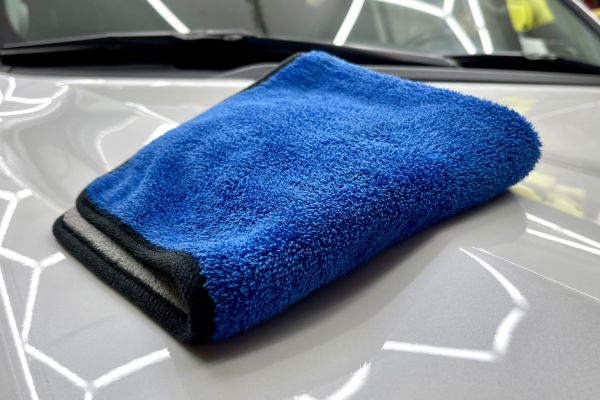
A clean car has a certain kind of quiet satisfaction to it. The paint looks deeper, the glass feels clearer, and the interior somehow seems calmer. But anyone who has washed a car more than a few times knows that cleaning is not only about soap, water, and effort. The towel matters more than most people think. In fact, the wrong towel can leave behind lint, streaks, water spots, and, worst of all, fine scratches that only show up when sunlight hits the paint at the wrong angle.
That is why many detailers and careful car owners rely on microfiber. The best microfiber towels for cars are soft, absorbent, and gentle enough to lift dirt without dragging it across the surface. They may look simple, but the difference between a cheap household cloth and a proper automotive microfiber towel can be seen in the finish.
Why Microfiber Works So Well on Cars
Microfiber is made from extremely fine synthetic fibers, usually a blend of polyester and polyamide. These fibers are much thinner than cotton strands, which allows the towel to trap dust, moisture, and grime inside its weave instead of pushing them around. That is the real magic. A good microfiber towel does not just wipe the surface; it grabs particles and holds them.
For car paint, this matters a lot. Modern clear coats can look tough, but they are surprisingly easy to mark with poor washing habits. Even tiny particles of dust can create swirl marks if they are rubbed across the paint with a rough towel. A quality microfiber towel reduces that risk because it has a soft pile that cushions the surface while collecting residue.
Microfiber also absorbs a lot of water for its size, which makes it useful after rinsing. Instead of chasing water around the hood or leaving streaky patches on windows, the towel pulls moisture in quickly. That means fewer passes over the paint, and fewer passes usually mean less chance of scratching.
What Makes a Microfiber Towel Safe for Paint
Not every microfiber towel belongs on car paint. Some are made for kitchens, furniture, or general household cleaning, and while they may feel soft in the hand, they are not always ideal for automotive use. The safest towels for paint usually have a plush texture, a clean edge, and a balanced fiber blend.
One detail worth noticing is GSM, which stands for grams per square meter. It tells you how dense the towel is. Lower GSM towels are thinner and often better for glass, interiors, or removing polish. Medium GSM towels are versatile for general wiping. Higher GSM towels feel thick and fluffy, making them better for drying and delicate paintwork.
Edges matter too. A towel with rough stitching, labels, or hard seams can leave small marks if used carelessly. Many good car towels have silk-banded, microfiber-edged, or edgeless designs. Edgeless towels are especially popular for paint because there is less chance of a firm edge scraping the surface.
The towel should also be clean and free from trapped debris. Even the best towel becomes risky if it has been dropped on the ground or washed with linty cotton fabrics. Microfiber is excellent at holding particles, which is helpful during cleaning but dangerous if the towel is not maintained properly.
Best Microfiber Towels for Washing
For washing, a microfiber wash towel or mitt should have a deep pile. This helps pull dirt away from the paint instead of letting it sit between the towel and the clear coat. A flat, thin towel can work for light cleaning, but for a full wash, plush microfiber is safer.
The ideal wash towel should feel soft when damp and should release dirt easily when rinsed. Some car owners prefer microfiber mitts because they stay secure on the hand and hold a good amount of soapy water. Others like large wash towels because they can be folded into clean sections as they work around the car.
The safest method is to rinse the towel often and avoid using the same side for too long. Microfiber helps, but it does not replace careful washing. If a panel is especially dirty, pre-rinsing is important. A towel should never be asked to remove heavy grit from dry paint.
Best Microfiber Towels for Drying
Drying towels are usually thicker and larger than standard microfiber cloths. Their job is simple: absorb water quickly without needing heavy pressure. A good drying towel can cover large panels like the roof, hood, and doors with minimal rubbing.
Twisted-loop microfiber towels are often excellent for drying because their weave is designed to pull in water fast. Waffle-weave towels are also useful, especially on glass and lighter drying jobs, though they are usually not as plush as thick drying towels. For delicate paint, a soft, high-GSM drying towel gives more cushion.
The best drying habit is to lay the towel flat on the panel and gently drag or pat it, rather than pressing hard. If the towel becomes soaked, switch to a dry one. Trying to finish the entire car with one overloaded towel often leads to streaks and repeated wiping.
Best Microfiber Towels for Glass
Glass needs a different kind of towel. A very plush towel can leave tiny fibers behind or make it harder to get a crisp, streak-free finish. For windows, a lower-pile microfiber towel or waffle-weave towel usually works better.
The towel should be clean, dry, and used only for glass. This is one place where separation really pays off. A towel that has touched wax, dressing, or interior cleaner may leave smears on glass even after washing. That faint haze on the windshield at night is often caused by residue from the wrong towel, not the glass cleaner itself.
For best results, one towel can be used to spread the cleaner and lift grime, while another dry towel finishes the surface. It sounds a bit fussy, but it makes a visible difference, especially on the inside of the windshield.
Best Microfiber Towels for Interior Cleaning
Interior surfaces do not need the same plushness as paint, but they still benefit from quality microfiber. Dashboards, touchscreens, trim pieces, leather, vinyl, and piano-black panels all scratch more easily than people expect. A soft medium-GSM towel is usually enough for most interior jobs.
For dusty dashboards, a dry microfiber towel can remove light dust without cleaner. For deeper cleaning, the towel should be slightly damp or paired with the right interior product. Touchscreens and glossy black trim should be handled gently because they show fine scratches quickly. A clean, soft towel used with light pressure is the safest approach.
It helps to keep interior towels separate from exterior towels. Brake dust, road grime, wax residue, and tire dressing do not belong on steering wheels or screens. Color-coding towels is an easy habit: one color for paint, one for glass, one for interior, and one for dirty jobs like wheels or door jambs.
Towels for Wax, Polish, and Detail Sprays
Removing wax, polish, or sealant calls for a towel that is soft but not overly thick. A medium-pile microfiber towel usually gives the right balance. It has enough bite to remove residue without being harsh, and enough softness to protect the finish.
Detail sprays and quick cleaners also work well with medium or plush microfiber towels. The key is to use plenty of clean towel surface. Folding a towel into quarters gives several usable sides, so you are not wiping the same loaded section across the paint again and again.
For polish removal, towels should be inspected carefully. Dried polish can harden in the fibers if the towel is not washed soon after use. Once that happens, the towel may no longer be safe for paint. It can still be used for lower-risk jobs, but it should not go back on delicate surfaces.
How to Wash and Care for Microfiber Towels
Good microfiber towels can last a long time, but only if they are washed properly. They should be washed separately from cotton towels because cotton lint clings to microfiber. Use a gentle liquid detergent and avoid fabric softener. Fabric softener coats the fibers and ruins the towel’s ability to absorb water and grab dirt.
Hot water is not usually necessary. Warm water is enough for most cleaning, while heavily soiled towels may need a stronger microfiber-safe detergent. Drying should be done on low heat or air dry. High heat can damage the fibers and make the towel less soft.
It is also smart to separate towels by use before washing. Paint towels should not be washed with wheel towels. A towel used around greasy door hinges or exhaust tips may never be perfectly safe for paint again. That is not wasteful; it is just practical car care.
Common Mistakes That Cause Scratches
Many scratches blamed on towels are actually caused by habits. Using one towel for the whole car, wiping dry dust from paint, dropping a towel and continuing to use it, or applying too much pressure can all create marks.
Another common mistake is buying one large pack of cheap towels and using them for everything. Some budget microfiber towels are fine for interiors or wheels, but paint deserves better. It is worth having at least a few high-quality towels reserved only for the most delicate surfaces.
Labels are another small problem. If a towel has a tag, remove it carefully before using the towel on paint. It seems minor, but a stiff tag can leave tiny scratches, especially on dark-colored cars.
Choosing the Right Towel for the Job
The best microfiber towels for cars are not always the thickest or most expensive. The best towel is the one matched to the task. Plush towels are ideal for drying and delicate paint. Medium-pile towels are great for wax, polish, and quick detailing. Waffle-weave or low-pile towels are better for glass. Older or lower-grade towels can be moved to wheels, exhaust tips, and engine bay cleaning.
Once you think of towels this way, car cleaning becomes easier. Instead of grabbing whatever cloth is nearby, you use the right towel for the surface in front of you. The finish stays cleaner, the glass looks sharper, and the interior feels better cared for.
Conclusion
Microfiber towels may not be the most exciting part of car care, but they quietly decide how good the final result looks. A glossy, scratch-free finish depends on soft fibers, clean towels, and thoughtful technique. Choosing the best microfiber towels for cars is really about protecting the surfaces you touch most often, from the paint to the windshield to the dashboard.
With a few dedicated towels and better washing habits, cleaning becomes less risky and more satisfying. The car looks fresher, the finish lasts longer, and every wipe feels a little more intentional. That is the kind of small detail that separates a quick clean from a careful one.