
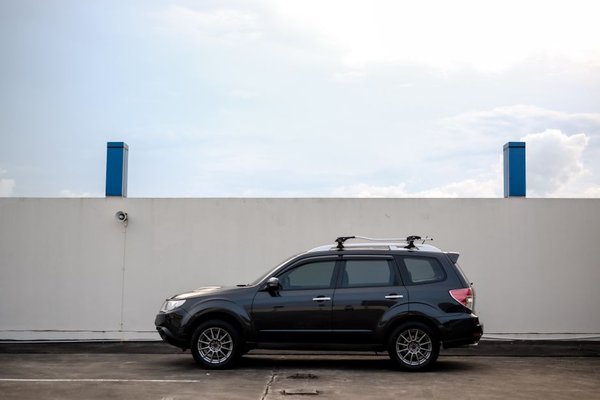
The Subaru Forester has a straightforward appeal: it is a compact SUV designed to make everyday driving less complicated. Its tall windows, generous headroom, standard all-wheel drive and useful cargo area matter more than flashy acceleration figures. For U.S. shoppers comparing family vehicles and commuters, that balance is the heart of this Subaru Forester review.
The current generation, introduced for 2025, continues with gas and hybrid choices in 2026. Subaru has also announced a streamlined 2027 lineup, including a Wilderness Hybrid. Equipment varies by year and trim, so compare the version you are considering rather than assuming every Forester is identical.
Comfort and Everyday Driving
Visibility is one of the Forester’s greatest strengths. Its upright seating position, relatively low window line and large glass area help drivers judge corners and see surrounding traffic. That is reassuring in crowded parking lots, school pickup lines and narrow streets.
The ride favors comfort over athletic responses. It generally absorbs everyday bumps well, although engine and road noise become noticeable during hard acceleration. Drivers moving from sportier crossovers may find the steering less engaging.
Abundant headroom and a spacious rear bench make the Forester a genuine family option. Before buying, sit in the back behind your usual driving position and check how easily children or older passengers can enter.
Subaru Forester Interior: Practical Before Plush
The Subaru Forester interior emphasizes sightlines, accessible storage and sensible controls. Materials become more upscale across the trim range, while available heated seats, upgraded upholstery and a power rear gate add convenience. Large door openings also help with passengers and bulky bags.
One trade-off is the central touchscreen’s role in operating some functions. Try the climate controls while parked to decide whether the interface feels natural. A cabin that looks impressive in a showroom is not necessarily the easiest to use on a rainy commute.
Subaru Forester Cargo Space: What Actually Fits?
Cargo measurements depend on trim. The 2026 gas Forester Base offers approximately 29.6 cubic feet behind the rear seats and 74.4 with them folded. Many higher trims provide about 27.5 and 69.1 cubic feet, respectively. The 2026 hybrid also offers up to 69.1 cubic feet with its rear seats folded.
The wide hatch opening and 60/40-split folding rear seatbacks can be more useful than a headline volume figure. You can carry luggage with one rear passenger seated or open up the cabin for larger purchases.
Here is a practical test: if you regularly transport a stroller, cooler or camping chairs, bring the largest item to a dealership. Load it without rearranging everything. Check the cargo-floor height, hatch opening and whether a seat must move forward. Those details reveal more than cubic feet alone.
Power, Handling and All-Weather Confidence
The gas Forester uses a 2.5-liter boxer four-cylinder making 180 horsepower, paired with a continuously variable transmission. Power is adequate for ordinary traffic, although passing requires planning. The CVT can make the engine sound busy on steep grades or highway merges.
The Forester Hybrid combines a 2.5-liter engine with electric assistance for 194 total system horsepower. Its main advantages are improved efficiency and slightly stronger response, not sports-car performance.
Subaru’s symmetrical all-wheel drive is standard, unlike the extra-cost AWD on some rivals. Regular Foresters have 8.7 inches of ground clearance; Wilderness versions increase this to 9.3 inches and add trail-oriented equipment. That helps on snowy driveways and maintained dirt roads, but AWD does not shorten braking distances on ice.
Subaru Forester MPG: Gas Versus Hybrid
Fuel economy is a meaningful distinction. The 2026 gas Base Forester is EPA-rated at 26 mpg city and 33 highway. Some trims are less efficient, particularly the Wilderness, rated at 24 city and 28 highway. The 2026 Forester Hybrid is rated at 35 city and 34 highway.
For stop-and-go commuters, the hybrid’s city advantage is compelling. Highway-heavy drivers should calculate fuel savings against its higher purchase price. Actual Subaru Forester mpg depends on speed, weather, tires, load and driving style; EPA estimates are comparisons, not guarantees.
The hybrid does not require plugging in. Its battery charges through the gas engine and regenerative braking, which simplifies ownership for households without home charging.
Subaru Forester Features and Safety Technology
Subaru Forester features include standard EyeSight driver-assistance technology, with functions such as adaptive cruise control, lane assistance and automatic emergency braking. Additional systems, including blind-spot monitoring and rear cross-traffic alerts, vary by trim.
Most 2026 trims above Base include an 11.6-inch display and wireless Apple CarPlay and Android Auto. The hybrid also has a 12.3-inch digital instrument cluster. Check the specific vehicle’s equipment sheet instead of assuming every screen, navigation function or charging feature is standard.
The Insurance Institute for Highway Safety awarded the 2026 Forester TOP SAFETY PICK+ status. That is a meaningful independent result, although ratings apply to the tested model year and safety technologies never replace attentive driving.
Value: Which Forester Makes Sense?
The most expensive trim is not always the best value. A gas Premium is worth considering for everyday comfort and useful technology. The hybrid suits buyers who drive frequently in town and expect to keep the vehicle long enough to benefit from lower fuel use. Wilderness trims make more sense for frequent unpaved-road trips than purely for rugged styling.
Prices and availability change, especially as 2027 models arrive. Compare out-the-door quotes, including destination charges, dealer fees and taxes. Get insurance estimates too. For perspective, read a compact SUV comparison guide, a gas-versus-hybrid SUV guide and an all-wheel-drive buying guide before choosing a trim.
The limitations deserve equal weight: modest gas-engine acceleration, a sometimes-busy CVT and touchscreen controls that will not please everyone. Drivers seeking sharper handling or a more luxurious cabin should test competitors back-to-back.
Frequently Asked Questions
Is the Subaru Forester a good family SUV?
Yes, especially for families prioritizing visibility, rear-seat access, cargo flexibility and standard AWD. Test your own child seats and luggage before deciding.
Does every Subaru Forester have all-wheel drive?
Yes. U.S.-market Forester gas and hybrid models come with standard Subaru symmetrical all-wheel drive.
How much cargo space does the Subaru Forester have?
On 2026 models, the Base gas version provides up to 74.4 cubic feet with the rear seats folded; many other trims and hybrids offer up to 69.1 cubic feet. Confirm the exact trim specification.
Is the Forester Hybrid worth buying?
It can be for drivers covering substantial city mileage. Compare its higher purchase price with expected fuel savings and the equipment included.
Final Verdict
The Forester makes ordinary jobs easy: carrying people comfortably, handling changing weather and accommodating busy-family gear. The hybrid adds attractive city efficiency, while Wilderness variants serve owners who genuinely need extra trail capability. If practicality and confidence matter more than speed, the Forester deserves a place on your compact SUV shortlist.