At a steady highway speed, your car starts vibrating as if it has rolled onto rumble strips. The sensation fades when you accelerate or lift off the throttle. This is one of the familiar torque converter failure symptoms, but it does not automatically mean the converter needs replacing.
A failing converter can cause shuddering, slipping, poor acceleration, overheating and unusual sounds. Other engine and transmission faults can create the same complaints. The key is understanding when each symptom appears and what the converter is doing at that moment.
What the Torque Converter Actually Does
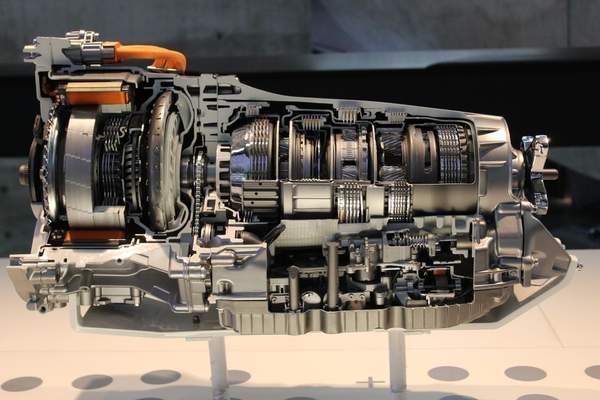
In a conventional automatic transmission, the torque converter transfers engine power through fluid. Its pump, turbine and stator allow the engine to idle while the vehicle is stopped and help multiply torque during take-off.
Many converters also contain a lock-up clutch, called the torque converter clutch (TCC). When conditions are suitable, it limits normal fluid slip to improve efficiency. Worn clutch material, internal damage, incorrect fluid or problems with the controls that apply the clutch can all affect drivability. Importantly, some apparent converter failures start in the transmission’s hydraulic controls rather than inside the converter.
Common Signs of a Bad Torque Converter
Shuddering at a Steady Speed
Torque converter shudder often feels like a rapid, repeated vibration instead of one harsh gear change. It may happen during gentle cruising or slight acceleration when the lock-up clutch begins to engage. An unstable clutch surface or inadequate apply pressure can make engagement uneven.
For example, suppose your car is smooth while accelerating to 45 mph but vibrates when you maintain that speed on level ground. Tell the technician exactly that. The pattern is a useful clue, although an engine misfire, tire problem or driveline vibration can feel similar. The speed at which lock-up occurs varies by vehicle.
Revs Increase Without Matching Road Speed
Converter slipping may cause the engine to rev higher than expected for the acceleration delivered. It can become apparent when pulling away or climbing a hill. A lock-up clutch that cannot hold may also allow excessive engine-speed variation while cruising.
Do not confuse this automatically with a damaged converter. Engine revs that flare during an actual gear change often suggest internal transmission clutches or shift-control problems instead. Compare the behavior with broader transmission slipping symptoms before assuming the cause.
Whining, Rattling or Grinding Noises
Torque converter noise may come from damaged bearings or loose internal parts, although the transmission pump and other components can make similar sounds. Pay attention to whether the noise occurs in Park, Neutral, Drive or Reverse, and whether it changes with engine speed. Sound alone cannot identify the failed part.
Overheating and Deteriorating Fluid
Excessive slip produces extra heat. A converter-clutch fault may therefore contribute to high transmission temperatures and accelerated fluid deterioration. Burnt-smelling fluid or an overheating warning needs attention, but low fluid, restricted cooling and other transmission faults can produce the same result.
Weak Acceleration From a Stop
Damage involving the stator or other converter components can reduce torque multiplication, making take-off feel sluggish. Yet engine power loss, dragging brakes and transmission pressure faults can also cause poor acceleration. A careful diagnosis must separate these possibilities.
Stalling or Rough Engagement
If the lock-up clutch fails to release, it can load the engine at low speed and may cause stalling as the car stops or a driving range is selected. This is less common than shudder. A delay or thump when selecting Drive is not necessarily a converter symptom; hydraulic pressure and valve-body faults are alternative causes.
Converter Failure or Another Transmission Problem?
Watch the timing. Shudder at a steady speed when lock-up is commanded suggests a TCC-system issue. A flare specifically between gears more strongly suggests a shift-related fault. A vibration that follows engine load across several gears could be an ignition, fuel-delivery or engine-mount problem.
Even a converter-clutch trouble code does not prove the converter itself is bad. Solenoids, wiring, hydraulic passages and fluid problems can prevent proper clutch operation. Replacing the converter without checking those systems risks an expensive repeat repair.
How to Narrow Down the Cause Safely
Before visiting a workshop, note the road speed, engine temperature, throttle position and whether the problem occurs during cruising, shifting or stopping. One practical tip: if the vibration appears only after 20 minutes of driving, tell the technician. A warm-only fault can be more informative than a complaint of occasional shaking.
A qualified technician can scan for codes and compare commanded TCC operation with measured slip data. They should also check for engine misfires, confirm the correct transmission fluid and investigate hydraulic pressure or cooling flow when indicated. Codes such as P0740 and P0741 can help direct testing, but are not automatic replacement orders.
Check fluid level only using the procedure specified for your car. Some modern automatics have no dipstick and require a particular checking temperature. An automatic transmission fluid problems guide can explain why the correct specification matters. Avoid adding unapproved treatments or ordering a flush as a substitute for diagnosis.
Do not perform a full-throttle brake-stall test at home; it can create damaging heat. If the car loses drive, slips severely, overheats or develops loud grinding noises, stop safely and arrange professional assistance rather than continuing the journey.
Can the Problem Be Fixed Without a New Converter?
Sometimes. If the problem is caused by unsuitable fluid, a defective solenoid or worn hydraulic control passages, repairing that cause may restore normal operation. Broken internal parts or a damaged lock-up clutch may require replacement. Ask the workshop what evidence supports its diagnosis and whether debris or contamination also needs addressing. The wider picture is covered by common automatic transmission warning signs.
Frequently Asked Questions
Can a bad torque converter make a car shake at highway speeds?
Yes. An unstable lock-up clutch can create vibration during light-throttle cruising. However, engine misfires, tires and driveline problems must also be considered.
Will torque converter failure turn on the check engine light?
It can trigger converter-clutch performance or control codes, but some symptoms occur without a warning light. A scan is more informative than the light alone.
Can I continue driving with converter shudder?
Arrange a diagnosis promptly. Continued slip can generate heat and contamination. Avoid heavy loads, and stop driving if slipping becomes severe, the transmission overheats or the vehicle struggles to move.
Will changing transmission fluid cure the shudder?
It may help if fluid condition or specification is the cause and no mechanical damage has occurred. A fluid change will not repair damaged converter components or faulty controls.
Final Thoughts
The strongest bad torque converter signs are patterns: shudder during lock-up, unexpected slipping, abnormal heat or noise. None is exclusive to the converter. Describing exactly when the symptom occurs, then confirming it with scan and hydraulic checks, is the best route to an accurate repair.