
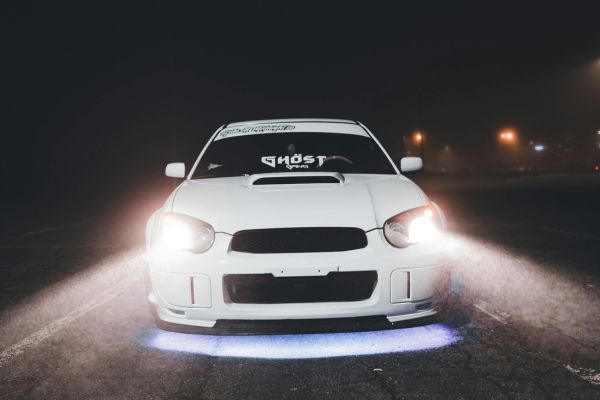
Why Headlights Change the Whole Face of a Car
A car’s headlights do more than light the road. They shape the entire personality of the vehicle. Even a familiar model can look sharper, newer, or more aggressive with a different headlight design. That is one reason aftermarket headlights have become such a popular upgrade among drivers who want a visual refresh without changing the whole car.
The front end is usually the first thing people notice. Clean lenses, modern lighting patterns, and a better overall shape can quietly transform a vehicle that has started to feel a little tired. Sometimes the difference is subtle. Other times, it feels like the car has jumped forward a generation.
Still, headlights are not only about appearance. They sit right at the meeting point of style, safety, visibility, and road legality. Choosing them takes a bit more thought than simply picking the design that looks best in a photo.
What Aftermarket Headlights Actually Are
Aftermarket headlights are replacement headlight assemblies made by companies other than the original vehicle manufacturer. They are designed to fit specific makes and models, but they may offer different styling, lighting technology, lens shapes, housing colors, or beam designs.
Some drivers install them because their factory headlights have become cloudy, cracked, or weak. Others do it because they want a sportier look, a black housing, LED accents, projector beams, or a cleaner modern appearance. In many cases, aftermarket headlights are part of a wider exterior refresh, along with wheels, grilles, trim, or paint correction.
The key point is that not all aftermarket headlights are the same. Some are simple factory-style replacements. Others are custom-looking units with halos, light bars, sequential turn signals, or smoked lenses. The right choice depends on the car, the driver’s taste, and how the vehicle is actually used.
The Style Appeal of a Modern Headlight Upgrade
There is something satisfying about seeing an older car with fresh headlights. Yellowed lenses can make even a well-kept vehicle look neglected. New lights bring back clarity, contrast, and shape. They frame the front end properly again.
Modern aftermarket designs often borrow cues from newer vehicles. You might see crisp LED daytime running lights, projector-style bulbs, or darker internal housings that give the car a more focused look. On some models, a simple headlight change can make the front bumper and grille appear better proportioned.
That said, good taste matters. A design that looks dramatic online may feel too busy in real life. Very dark smoked lenses, oversized halos, or overly flashy patterns can sometimes age faster than the original factory design. The best upgrades usually feel like they belong on the car, even if they did not come from the factory.
Visibility Matters More Than Looks
A headlight upgrade should never make the car harder to drive at night. This sounds obvious, but it is easy to get distracted by appearance. The most attractive housing is not much help if the beam pattern is uneven, dim, or aimed poorly.
Good headlights create a controlled spread of light across the road. They should illuminate the lane, shoulder, signs, and bends without throwing glare into oncoming traffic. A brighter bulb does not automatically mean better visibility. In fact, a poorly designed light can scatter brightness everywhere except where the driver needs it.
Projector headlights are often chosen because they can create a more focused beam, especially when paired with the correct bulb type. Reflector headlights can also work well when designed properly. The important part is compatibility. A bulb placed in the wrong housing can create glare, weak hotspots, and a messy road pattern.
LED, Halogen, and HID Options
Many aftermarket headlights are built around halogen, HID, or LED lighting. Each has its own character.
Halogen headlights are the traditional choice. They are usually simple, familiar, and easy to maintain. They may not have the crisp white look of newer lighting, but a well-designed halogen setup can still perform reliably.
HID headlights are known for strong output and a bright, slightly bluish-white appearance. They require proper housings, ballasts, and careful aiming. When installed correctly, they can provide excellent visibility. When installed poorly, they can be harsh for other drivers.
LED headlights have become the most common modern upgrade. They are efficient, quick to illuminate, and often used in sharp daytime running light designs. Many drivers like the clean white tone and modern look. Still, the quality of LED headlights varies widely. A good LED assembly can be excellent. A cheap one can look impressive in daylight but perform poorly on a dark road.
Fitment Is Where the Details Matter
The best-looking headlight is only useful if it fits properly. Aftermarket headlights are usually sold for exact model years, trims, and body styles. Even small differences can matter. A sedan and coupe from the same generation may not share the same headlight shape. A facelift model may have different mounting points. A vehicle with factory HID lights may use different wiring than one with halogens.
Before choosing aftermarket headlights, it is worth checking the vehicle’s exact year, trim, and original lighting setup. Plug-and-play units are easier, but some styles may need adapters, resistors, coding, or minor adjustments. Turn signals, daytime running lights, and parking lights also need to function correctly after installation.
Water sealing is another detail that should not be ignored. Poorly sealed headlights can develop condensation inside the lens. A little temporary fog after a temperature change may happen, but standing moisture or repeated internal misting usually points to a sealing issue. Over time, that can damage bulbs, wiring, and the appearance of the lens.
Legal and Safety Considerations
Headlight laws vary by location, but the general idea is similar: headlights must be bright enough to see safely without blinding others. Some aftermarket designs may not be road legal, especially heavily tinted or unusually colored lights. Blue, red, and certain flashing patterns can be restricted because they may be confused with emergency vehicles.
Smoked lenses are popular for their dark, custom look, but they can reduce light output if the tint is too heavy. That may be fine for a show car, but it is not ideal for a vehicle driven regularly at night or in bad weather.
Beam aim is just as important as the light itself. After installation, headlights should be aligned properly. If they sit too high, they can glare into other drivers’ eyes. If they sit too low, they reduce the driver’s view of the road. A careful adjustment can make a huge difference.
Matching the Headlights to the Car’s Character
Not every car needs the most aggressive lighting design available. A clean factory-style replacement might suit a classic sedan better than a high-contrast LED housing. A sporty coupe may handle dark housings and sharp light bars naturally. A truck might look better with strong, simple designs that feel durable rather than decorative.
Color temperature also changes the mood. Warm halogen light feels traditional and understated. Cool white LED light feels newer and more technical. Very blue light can look harsh and may attract unwanted attention. Most cars look best with a balanced white tone that improves clarity without looking exaggerated.
The goal is to make the car feel more complete, not just more modified. When headlights match the grille, paint color, wheels, and overall body shape, the upgrade feels intentional.
Installation and Long-Term Care
Some drivers install aftermarket headlights themselves, especially when the process only involves removing a few bolts and connectors. Other vehicles require bumper removal, wiring work, or special adjustments, which can make professional installation more sensible.
Once installed, headlights still need care. Lenses should be cleaned gently, wiring should stay secure, and seals should be watched during the first few weeks. If condensation appears repeatedly, it should be addressed early. Keeping the lenses clear helps preserve both the look and the light output.
It is also smart to check the beam pattern after replacing bulbs or changing suspension height. Even small changes can affect where the light lands on the road.
Conclusion
Aftermarket headlights can change a car in a way that feels surprisingly fresh. They can sharpen the front end, replace tired factory lenses, and bring a more modern presence to a vehicle that still has plenty of life left in it. But the best upgrades balance style with function.
A good set of aftermarket headlights should look natural on the car, fit correctly, light the road clearly, and respect other drivers. When those pieces come together, the result is more than a cosmetic change. It is a small but meaningful improvement to how the car looks, feels, and moves through the night.