
For many drivers, the factory exhaust system is something they barely notice. It carries gases away from the engine, keeps noise under control, and generally does its job without demanding attention. But once performance modifications enter the picture, the exhaust often becomes one of the first areas people consider changing.
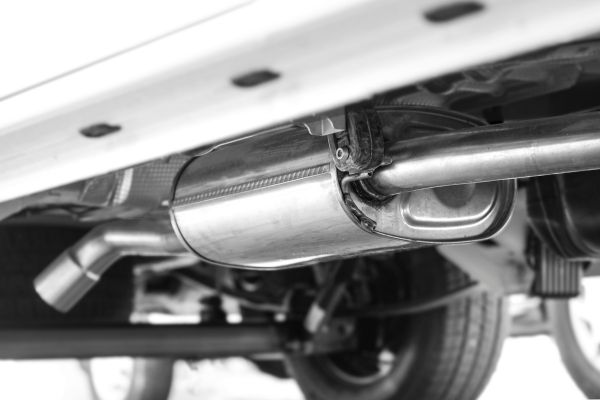
A cat-back system is especially popular because it can alter the character of a vehicle without requiring major engine work. The term “cat-back” refers to the exhaust components installed after the catalytic converter. Depending on the vehicle and the design of the kit, this usually includes the intermediate pipe, resonator, muffler, connecting hardware, and exhaust tips.
The most noticeable cat-back exhaust system benefits are usually a deeper sound, sharper throttle response, improved exhaust flow, and a more distinctive appearance. The real-world results, however, depend heavily on the vehicle, engine, pipe diameter, muffler design, and overall quality of the system.
A More Engaging Exhaust Note
Sound is often the first difference a driver notices after installing a cat-back exhaust. Factory systems are designed to satisfy a wide range of noise regulations and customer preferences. That usually means keeping the exhaust quiet, restrained, and unobtrusive.
A performance-oriented cat-back system removes some of that restraint. Larger piping, freer-flowing mufflers, and redesigned resonators can produce a deeper, fuller tone. On a naturally aspirated engine, the result may be a sharper growl as the revs rise. On a turbocharged vehicle, the exhaust can sound smoother and more purposeful, sometimes making turbo noises slightly easier to hear.
The goal is not always maximum volume. In fact, the best systems often focus more on tone than loudness. A well-designed setup can sound calm during steady cruising and become more aggressive when the accelerator is pressed. That balance makes the car feel more engaging without turning every journey into a constant wall of noise.
Sound quality is subjective, of course. One driver may love a deep rumble, while another prefers a clean, understated note. Listening to the same system on the same engine type is useful because exhaust tone can vary dramatically between vehicles.
Improved Exhaust Flow
One of the central mechanical cat-back exhaust system benefits is reduced restriction after the catalytic converter. Exhaust gases must travel through piping, bends, resonators, and mufflers before leaving the vehicle. If those components are narrow or heavily baffled, they can slow the flow of gases.
A cat-back system typically uses smoother bends and a less restrictive muffler design. Many also increase pipe diameter, although bigger is not automatically better. The ideal diameter depends on engine displacement, power output, forced induction, and intended use.
When the system is properly matched to the engine, reduced restriction can help exhaust gases leave more efficiently. This may allow the engine to breathe more freely at higher revolutions, particularly when combined with other modifications such as an intake, upgraded downpipe, performance headers, or engine tuning.
The difference is rarely dramatic on an otherwise standard road car. Still, improved flow can contribute to a more responsive and energetic feel, especially near the upper end of the rev range.
Modest Power and Torque Gains
A cat-back exhaust can support increases in horsepower and torque, but expectations should remain realistic. On many stock vehicles, the power gain from the exhaust alone may be relatively small. Factory exhaust systems are often more efficient than people assume, particularly on newer performance cars.
Even so, a restrictive original system can leave some room for improvement. Replacing it with a well-engineered cat-back setup may deliver modest gains by reducing backpressure and improving gas movement. Turbocharged vehicles can sometimes respond more noticeably because efficient exhaust flow helps the turbo system operate with less resistance downstream.
The strongest results usually appear when the exhaust is part of a complete performance package. An intake, intercooler, ECU tune, headers, downpipe, or other airflow improvements can make the freer-flowing cat-back system more useful. Rather than acting as a huge power upgrade by itself, it often serves as a supporting component that allows other modifications to work more effectively.
Drivers may feel the improvement as cleaner acceleration or a slightly stronger pull rather than a dramatic transformation.
Sharper Throttle Response
Throttle response describes how quickly the engine reacts when the driver presses the accelerator. Although many factors affect this sensation, reducing exhaust restriction can help the engine respond more freely.
The change may be subtle, but a vehicle can feel slightly more eager to gain speed. This is particularly noticeable when accelerating through the middle or upper rev range, where exhaust flow becomes more demanding.
The new sound also influences perception. A deeper, more immediate exhaust note can make the car feel faster even when the actual performance difference is modest. That does not mean the improvement is imaginary. It simply means the mechanical response and the sensory experience often work together.
For many enthusiasts, that combination is one of the main reasons the upgrade feels worthwhile. The vehicle may not become dramatically quicker, but it can feel more alive and connected to the driver.
Potential Weight Reduction
Factory exhaust systems are usually built for durability, cost control, quiet operation, and mass production. They can be heavy, particularly when they include large mufflers and thick steel components.
Some aftermarket cat-back systems use lighter materials and more compact muffler designs. Stainless steel systems may still offer a moderate weight reduction, while titanium exhausts can be considerably lighter. Titanium, however, is usually far more expensive and may produce a sharper, more metallic tone.
Removing weight from the vehicle can improve acceleration, handling, and braking in theory, although the effect of a cat-back system alone will usually be minor. The weight reduction matters more on lightweight performance cars or vehicles being prepared for track use.
Even when the difference is not easily felt, replacing a bulky factory exhaust with a lighter system can still be a useful part of a broader weight-saving approach.
A More Distinctive Rear Appearance
Exhaust tips are among the most visible parts of a vehicle’s rear design. Factory tips may be small, hidden, or deliberately conservative. A cat-back system can change that appearance with larger outlets, polished finishes, black coatings, carbon-fibre surrounds, or different tip shapes.
This visual improvement does not affect performance, but it can make the car appear more complete and purposeful. A tasteful exhaust tip can complement a rear diffuser, bumper design, or wheel setup without becoming overly flashy.
Fitment is important here. Tips that sit too far outside the bumper or hang unevenly can make even an expensive system look poorly installed. Correct alignment and sufficient clearance help create a factory-like appearance while preventing rattles or heat damage.
The best result usually looks as though it belongs on the vehicle rather than being added as an afterthought.
A Modification That Usually Preserves Emissions Equipment
Because a cat-back exhaust begins after the catalytic converter, it generally leaves the primary emissions-control equipment in place. This makes it less intrusive than modifications involving the downpipe, catalytic converter, or exhaust manifold.
However, regulations vary by location, and noise limits can be just as important as emissions requirements. A system may retain the catalytic converter and still be illegal if it exceeds local sound limits. Some vehicles also use exhaust valves, sensors, or unusual factory layouts that require additional consideration.
Drivers should also check warranty terms. A cat-back system does not automatically void an entire vehicle warranty, but coverage disputes may arise if an aftermarket part is linked to a specific failure.
Choosing a system designed specifically for the vehicle reduces the risk of warning lights, poor fitment, excessive vibration, or unwanted cabin noise.
The Problem of Exhaust Drone
Not every effect of a cat-back system is positive. Exhaust drone is a low-frequency vibration or humming sound that appears at certain engine speeds, often during motorway cruising. It can become tiring on long journeys, even when the exhaust sounds excellent under acceleration.
Drone is influenced by pipe diameter, resonator design, muffler construction, transmission gearing, engine speed, and cabin insulation. Two systems with similar exterior volume may behave very differently inside the car.
A quality resonated system is often a better choice for a daily-driven vehicle. Non-resonated designs may sound louder and more aggressive, but they can also increase harshness. Some valved systems allow the driver to switch between quieter and louder settings, although these systems add cost and complexity.
Before choosing an exhaust, it is worth considering how the car is actually used. A weekend vehicle can tolerate more noise than a commuter that spends hours at steady speed.
Choosing the Right System for the Vehicle
The best cat-back exhaust is not necessarily the loudest, lightest, or largest. It is the one that matches the engine and the owner’s priorities.
A daily driver often benefits from a resonated stainless steel system with a moderate sound increase. A track-focused car may justify lighter materials and a more aggressive design. Turbocharged builds producing significantly more power may require larger piping, while a standard small engine can lose low-speed character if the exhaust diameter is excessive.
Material quality also matters. Good stainless steel offers corrosion resistance and long service life, making it suitable for most road cars. Aluminized steel can cost less but may not last as well in wet or salty conditions. Titanium saves weight and offers a distinctive sound, though the price places it beyond what many drivers need.
Proper installation is equally important. Even a high-quality system can rattle, leak, or sit unevenly if the hangers and clamps are not correctly positioned.
A Balanced Upgrade Rather Than a Miracle Modification
The most meaningful cat-back exhaust system benefits are not limited to dyno figures. A well-chosen system can improve sound, sharpen the driving experience, reduce some weight, support future performance upgrades, and give the rear of the vehicle a cleaner appearance.
It is not a guaranteed source of huge horsepower, and an overly aggressive setup can introduce drone or unwanted attention. The best results come from choosing a system that suits the engine, the vehicle’s purpose, and the driver’s tolerance for noise.
For many enthusiasts, that balance is exactly what makes a cat-back exhaust appealing. It changes the car in ways that can be heard, felt, and seen, yet it does so without fundamentally altering the engine. When the design is thoughtful and the expectations are realistic, the vehicle simply feels more expressive every time it is driven.