
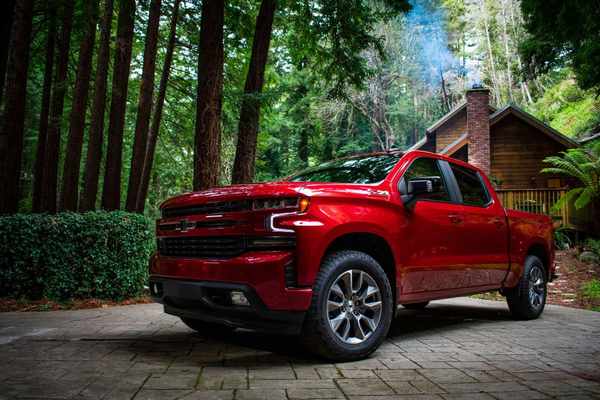
The Ford F-150 and Chevrolet Silverado 1500 both promise serious capability, but choosing between them takes more than comparing horsepower figures. The right pickup must handle your trailer, passengers, cargo and commute without making you pay for features you will rarely use. Looking at the 2026 models, the most revealing differences involve powertrains, usable payload and everyday practicality.
Which Truck Has the Advantage?
The F-150 offers slightly higher published maximum towing and payload ratings, plus an available full-hybrid engine and onboard electrical power. The Silverado counters with an available turbo-diesel, a versatile tailgate and hands-free driver assistance that can operate while towing under supported conditions.
These strengths depend on configuration. A crew cab with four-wheel drive, luxury equipment and a short bed will not necessarily match the capability of the manufacturer’s highest-rated work-focused model. Evaluate the specific trucks for sale, not just their advertisements.
Engine Options and Fuel Efficiency
Ford’s F-150 lineup includes a 2.7-liter EcoBoost V6, 5.0-liter V8, 3.5-liter EcoBoost V6 and 3.5-liter PowerBoost full hybrid, alongside performance-focused choices. The smaller EcoBoost suits everyday driving, while the 3.5-liter turbocharged V6 can be configured for demanding towing. The PowerBoost combines gasoline and electric power and offers available Pro Power Onboard functionality for tools or campsite equipment.
Chevrolet offers the TurboMax four-cylinder, 5.3-liter V8, 6.2-liter V8 and 3.0-liter Duramax turbo-diesel. The TurboMax produces 430 lb-ft of torque, and the diesel delivers 495 lb-ft. Chevrolet quotes up to an EPA-estimated 28 mpg on the highway for a suitable two-wheel-drive diesel configuration.
For frequent stop-and-go trips, Ford’s hybrid deserves consideration. For long highway journeys, the Silverado diesel is compelling. Neither automatically wins on fuel costs: compare EPA estimates, local fuel prices and the exact drivetrain you intend to buy.
Ford F-150 vs Chevrolet Silverado 1500 Towing
For 2026, a properly equipped F-150 can tow up to 13,500 pounds, while the Silverado 1500 tops out at 13,300 pounds. The 200-pound difference gives Ford a narrow headline advantage, but it is rarely the deciding factor for a typical boat or travel trailer.
Imagine towing a loaded 7,500-pound camper with two adults, two children and weekend luggage. If tongue weight represents roughly 10 to 15 percent of trailer weight, the hitch could transfer about 750 to 1,125 pounds to the truck. Passengers, gear and accessories use additional payload. A truck may therefore reach its carrying limit before reaching its maximum tow rating.
Check the manufacturer’s towing chart for engine, axle ratio, cab, drivetrain and required towing package. Confirm trailer brakes, hitch ratings and allowable combined weight. The better tow vehicle is the specific one that accommodates your fully loaded setup with appropriate margins.
Ford F-150 vs Chevrolet Silverado 1500 Payload
Ford advertises up to 2,440 pounds of payload for the 2026 F-150. Chevrolet lists up to 2,260 pounds for the Silverado 1500. Both figures describe particular configurations; heavily optioned crew cabs can carry substantially less.
The driver’s door-jamb payload label matters more than the brochure maximum. Count people, cargo, installed accessories and trailer tongue weight together. If you regularly haul stone, timber or heavy machinery, calculate the load before choosing a trim. Our guide to truck payload calculations can help explain why capacity and towing are separate limits.
Cabin Comfort for Work and Family Use
A meaningful truck comfort comparison starts with equivalent trims and cab styles. Both trucks offer generous crew-cab seating, available upscale materials and modern infotainment. Ford provides work-friendly touches on selected models, including an interior work surface. Chevrolet’s higher trims offer more luxurious appointments, while its basic work-truck interiors emphasize durability.
Drive both trucks on the same rough streets and highway stretch. Compare seat support, rear-seat entry, road noise, steering feel and parking visibility. Different wheels and tires can change the ride enough to matter more than a dashboard feature.
Technology and Trailering Assistance
The F-150 offers available Ford BlueCruise hands-free assistance on compatible highways, as well as Pro Trailer Backup Assist and Pro Trailer Hitch Assist on eligible models. These features are useful for drivers who frequently connect or maneuver trailers, although operating limitations apply.
The Silverado’s available Super Cruise system is notable because compatible, properly equipped models can support hands-free driving while towing on approved roads. Available trailer camera and monitoring features can also help with visibility. For both brands, verify which equipment and service subscriptions the exact truck includes. Driver assistance never removes the need to supervise the vehicle.
Bed Design and Practical Features
Chevrolet’s available Multi-Flex tailgate provides several loading and access positions. Ford counters with an available Pro Access Tailgate and useful electrical outlets on certain models. The best solution depends on how often you climb into the bed, move bulky gear or power equipment.
Measure your longest typical cargo item and check the usable bed length with any toolbox installed. A pickup bed size guide is helpful when comparing cab and bed combinations rather than assuming every full-size truck offers the same space.
Purchase Price and Long-Term Value
A pickup value comparison should use written out-the-door quotes. The Silverado may have a lower advertised entry price, but dealer discounts, destination fees, financing and option packages can change the outcome. Match towing hardware, drivetrain, safety equipment and cabin features before comparing prices.
Estimate annual fuel spending, insurance, tires and maintenance, too. Silverado diesel buyers should consider diesel exhaust fluid and emissions-system upkeep; F-150 hybrid buyers should assess how often they will benefit from onboard power and urban-driving efficiency. Our truck ownership cost comparison can help put monthly payments into context.
How to Choose Between Them
Lean toward the F-150 if you specifically want hybrid capability, mobile electrical power or one of Ford’s highest-rated towing configurations. Lean toward the Silverado if diesel highway efficiency, Multi-Flex tailgate access or compatible hands-free towing assistance would make your routine easier.
Before purchasing, compare two actual vehicles by identification number. Ask for each truck’s payload label, towing documentation, installed options and final price. This prevents a brochure specification from overshadowing what the truck can really do.
Frequently Asked Questions
Which truck has the higher maximum towing capacity?
The properly equipped 2026 Ford F-150 reaches 13,500 pounds, compared with 13,300 pounds for the Silverado 1500. Individual configurations may have considerably lower ratings.
Does the Silverado 1500 still offer a diesel?
Yes. Its available 3.0-liter Duramax turbo-diesel distinguishes it from the current F-150 range, which offers gasoline and hybrid powertrains instead.
Is the F-150 hybrid more efficient than the Silverado diesel?
Not in every situation. City and highway driving produce different results. Compare official EPA estimates for the precise trucks and calculate fuel costs using your normal mileage.
Which pickup is better for a family?
Both crew-cab models can suit families. Test child-seat access, rear-seat space, ride comfort and parking visibility. The trim and seating arrangement may matter more than the badge.
Final Verdict
Ford’s F-150 brings versatile engines, a strong capability ceiling and distinctive hybrid features. Chevrolet’s Silverado 1500 answers with diesel power, clever bed access and sophisticated towing technology. Neither is automatically the better purchase. Choose the configuration that safely handles your loads, feels comfortable on your normal roads and delivers the strongest value at the price you will actually pay.