
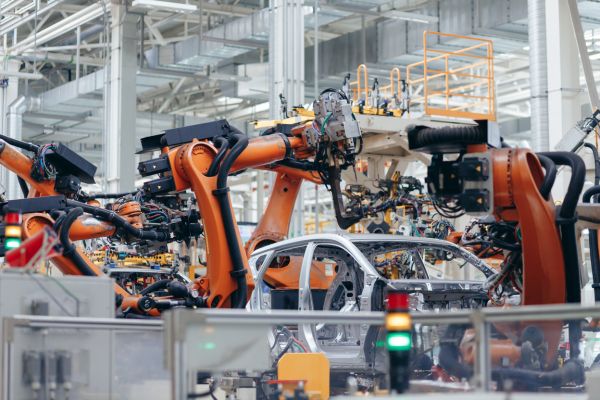
For decades, conversations about greener vehicles focused mostly on fuel economy, tailpipe emissions, and more recently, electric powertrains. Those are important topics, but they are only part of the story. A car’s environmental footprint begins long before the engine starts or the battery charges. It starts in mines, forests, factories, shipping routes, and material processing plants.
Every seat fabric, steel panel, dashboard trim piece, wire harness, and window frame comes from somewhere. That is why sustainable materials in car production have become such a significant topic across the automotive world. Manufacturers are increasingly looking beyond how vehicles are driven and asking how they are built.
This shift is changing what goes into modern cars. Recycled metals, plant-based fibers, lower-impact plastics, responsibly sourced wood, and circular manufacturing systems are no longer fringe ideas. They are becoming part of mainstream automotive design.
Why Materials Matter in Vehicle Sustainability
A car is made from thousands of components, and producing those components requires energy, water, transportation, and raw resources. Even an efficient vehicle can carry a substantial manufacturing footprint depending on how materials are sourced and processed.
Steel production, aluminum refining, plastic manufacturing, leather treatment, and battery mineral extraction all involve environmental costs. Reducing those impacts means improving the materials themselves, not only the drivetrain.
This is why lifecycle thinking matters. A cleaner future for transport depends on both usage emissions and production emissions.
Recycled Steel and Aluminum Are Growing in Importance
Metals remain foundational in automotive construction. Bodies, frames, suspension parts, structural reinforcements, and countless brackets rely on steel or aluminum.
Using recycled metal can significantly reduce energy demand compared with producing virgin material in many cases. Recycled aluminum, in particular, is often highlighted because primary aluminum production can be highly energy intensive.
Automakers increasingly seek closed-loop systems where scrap from stamping plants is collected, remelted, and returned to production streams.
This creates efficiency while reducing waste.
Plastics Are Being Rethought
Cars use plastic everywhere: dashboards, door panels, trim, bumpers, storage bins, clips, housings, and insulation components. Traditional petroleum-based plastics have long offered low weight and design flexibility, but waste concerns have pushed change.
One major trend in sustainable materials in car production is the use of recycled plastics sourced from post-consumer or industrial streams. Bottles, packaging waste, fishing nets, and recovered polymers may be processed into usable automotive materials.
Some manufacturers are also exploring bio-based plastics derived partly from renewable feedstocks.
The challenge is balancing durability, appearance, heat resistance, and cost.
Natural Fibers in Interior Components
Many people are surprised to learn that plant fibers can play a role in modern vehicles. Hemp, flax, kenaf, jute, and similar natural fibers are increasingly used in composite panels, insulation, and non-visible structural interior parts.
These fibers can reduce weight while lowering reliance on purely synthetic reinforcements. They also bring renewable sourcing potential when managed responsibly.
Natural fiber composites are not replacing steel frames or safety-critical structures wholesale, but they can be highly useful in selected applications.
Sometimes sustainability advances happen quietly behind trim panels.
Seat Fabrics and Leather Alternatives
Vehicle interiors are changing rapidly. Traditional leather, synthetic leather, woven textiles, and advanced recycled fabrics now compete in the same market.
Some manufacturers use seat materials made partly from recycled polyester, ocean-recovered plastics, or other reclaimed sources. Others explore plant-based leather alternatives using materials derived from mushrooms, cactus fibers, pineapple leaves, or polyurethane systems with reduced petroleum content.
Consumers increasingly care about touch, durability, appearance, and ethics alongside comfort.
Interior materials have become a visible symbol of broader sustainability goals.
Sustainable Wood and Decorative Trim
Luxury vehicles have long used wood accents, but sourcing matters. Responsibly managed forests, certified timber systems, and lower-waste veneer processes are increasingly important.
Some automakers also use reclaimed wood or fast-growing renewable species rather than relying solely on slow-growth exotic options.
Even small trim choices reflect a larger truth: aesthetics and environmental responsibility do not have to oppose each other.
Rubber and Tire-Related Innovations
Tires are separate products but deeply connected to car production. Traditional tire manufacturing relies heavily on natural and synthetic rubber, carbon black, oils, and energy-intensive processes.
Research continues into alternative rubber crops, recycled rubber content, bio-based oils, and lower-impact fillers.
As sustainability expands beyond the vehicle shell itself, tires are becoming part of the broader conversation.
Battery Materials and Responsible Sourcing
No discussion of modern car production is complete without batteries, especially for electric vehicles. Lithium, nickel, cobalt, graphite, manganese, and other materials have brought supply chain scrutiny.
While batteries enable lower tailpipe emissions, mining practices, labor concerns, water use, and end-of-life recycling remain central issues.
That is why sustainable materials in car production increasingly includes battery chemistry innovation, traceability systems, recycled mineral recovery, and designs that support second-life or easier recycling.
This area may shape the next decade more than any dashboard fabric ever could.
Lightweight Materials and Efficiency Benefits
Sometimes the most sustainable material is the one that reduces total vehicle mass. Lighter vehicles often require less energy to move, whether powered by fuel or electricity.
Advanced composites, aluminum structures, optimized steel grades, and smarter component design all aim to remove unnecessary weight while preserving safety.
Material sustainability is not only about origin. It is also about performance over the life of the vehicle.
Circular Manufacturing Is the Bigger Shift
Individual materials matter, but systems matter more. Increasingly, automakers are trying to design production around circular principles.
That can include reclaiming scrap, designing parts for easier disassembly, reusing manufacturing waste, refurbishing components, remanufacturing batteries, and increasing recycled content in future vehicles.
A circular model asks a better question than “What is this made from?” It asks, “What happens to it next?”
Challenges Still Facing the Industry
Progress is real, but so are complications.
Sustainable alternatives must still meet safety standards, survive temperature extremes, resist UV exposure, remain affordable, and scale across global supply chains. A promising lab material may struggle in mass production.
There is also the risk of greenwashing—highlighting small eco-friendly trim choices while larger impacts remain unchanged.
Consumers and regulators increasingly look beyond slogans toward measurable evidence.
Why Buyers Are Paying Attention
Drivers today often care not only about fuel economy or battery range, but about the broader story behind a vehicle. How was it built? What materials were used? Can parts be recycled? Were workers treated fairly?
This shift in consumer awareness encourages deeper transparency.
Cars are no longer judged only by horsepower and styling.
Conclusion
The rise of sustainable materials in car production reflects a more mature understanding of environmental responsibility. Cleaner transport is not just about what happens on the road. It is also about what happens before a vehicle reaches the driveway and after it leaves service.
Recycled metals, renewable fibers, better plastics, ethical battery sourcing, and circular manufacturing all point toward a smarter future. The road ahead is still complex, but the direction is clear: the cars of tomorrow must be built more thoughtfully, not merely driven differently.