
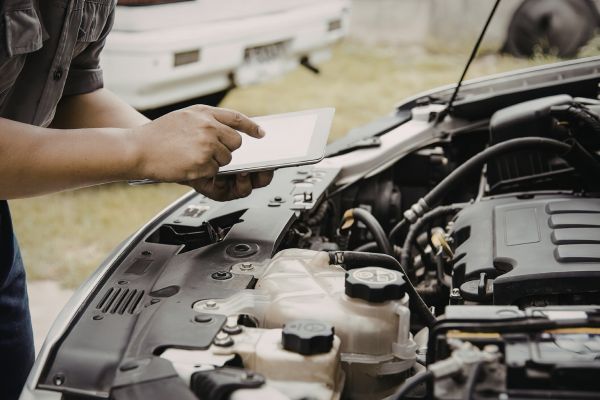
There’s something quietly addictive about the idea of building a project car. It starts as a simple thought—maybe a car you’ve always liked, or one sitting neglected in a garage—and gradually becomes something far more personal. A project car isn’t just about transportation. It’s about transformation, patience, and the kind of satisfaction you don’t quite get from simply buying something finished.
Whether you’re restoring a classic or modifying a modern machine, project cars offer a hands-on journey that blends creativity with mechanical understanding. And while the process can be messy, unpredictable, and sometimes frustrating, it’s also deeply rewarding in a way that’s hard to explain until you’ve lived it.
Understanding What a Project Car Really Is
At its core, a project car is any vehicle that requires work—cosmetic, mechanical, or both—to reach a desired condition. That “desired condition” can vary widely. For some, it means restoring a car to factory-original perfection. For others, it’s about building something unique, faster, louder, or more visually striking.
The beauty of project cars lies in that flexibility. There are no strict rules. One person might spend months perfecting paintwork and interior details, while another focuses entirely on performance upgrades. The only real constant is that the car evolves over time, shaped by the owner’s vision and effort.
Choosing the Right Starting Point
The beginning of any project car journey is often the most exciting—and the most critical. Choosing the right car can make the difference between a satisfying experience and one that feels like an endless uphill battle.
It’s tempting to go for something cheap and heavily worn, thinking you’ll save money upfront. But heavily damaged vehicles can hide expensive problems. Rust, engine issues, and missing parts tend to multiply both costs and time.
On the other hand, starting with a relatively clean, running car allows you to focus more on improvements rather than repairs. It may cost more initially, but it often leads to a smoother and more enjoyable build.
Equally important is choosing a car you genuinely care about. You’ll be spending hours—sometimes years—working on it. If the passion isn’t there, motivation can fade quickly when challenges arise.
Defining Your Vision Early
Before turning a single wrench, it helps to have a clear idea of what you want your project car to become. Not a rigid plan, but at least a direction.
Are you building a weekend cruiser? A track-focused machine? A show car that turns heads at every corner? Each path leads to different decisions in parts, budget, and time commitment.
Without a vision, it’s easy to drift. You might install performance parts only to later prioritize comfort, or spend money on aesthetics before addressing mechanical reliability. A loose but thoughtful plan helps keep the build cohesive.
Budgeting Without Losing Your Mind
Let’s be honest—project cars rarely stay within budget. Even with careful planning, unexpected costs appear. Parts wear out, tools are needed, and sometimes mistakes happen.
Instead of aiming for a perfect budget, it’s more realistic to build flexibility into your expectations. Set a general spending range, but allow room for surprises.
It also helps to prioritize. Focus first on essential systems like engine health, brakes, and suspension before moving into cosmetic upgrades. A car that looks great but struggles to run properly can quickly drain enthusiasm.
Learning Through the Process
One of the most rewarding aspects of working on project cars is the learning curve. Even experienced builders encounter new challenges with each project.
At first, simple tasks like changing fluids or replacing filters build confidence. Over time, more complex work—engine tuning, suspension adjustments, electrical troubleshooting—becomes manageable.
Mistakes are part of the journey. Bolts get stripped, parts don’t fit as expected, and plans sometimes need to be reworked. But each mistake adds to your understanding, making the next step easier.
There’s also a quiet satisfaction in solving problems yourself. It turns the car into something more than just a machine—it becomes a reflection of your effort and growth.
The Emotional Side of Project Cars
It’s easy to talk about tools, parts, and techniques, but project cars are as much emotional as they are mechanical.
There are days when everything clicks—when a freshly installed part works perfectly, or the engine runs smoother than ever. Those moments feel incredibly rewarding.
And then there are the other days. The ones where nothing seems to go right, where progress feels slow or nonexistent. These moments test patience.
What keeps most people going is the connection they develop with the car. It becomes something personal, shaped by time and effort. That connection turns setbacks into temporary obstacles rather than reasons to quit.
Balancing Time and Expectations
Time is one of the most underestimated factors in any project car build. What starts as a weekend hobby can stretch into months or even years.
Life doesn’t pause for a project. Work, responsibilities, and unexpected events all compete for attention. It’s important to accept that progress may be slow at times.
Instead of rushing, it helps to approach the build in stages. Small, consistent improvements add up over time. Even a few hours of work here and there can move the project forward.
Patience isn’t just helpful—it’s essential.
Building a Space That Works for You
The environment you work in plays a bigger role than most people realize. A well-organized workspace makes everything easier, from finding tools to staying focused.
It doesn’t have to be a professional garage. Even a modest setup can work if it’s clean, functional, and safe. Good lighting, basic tools, and enough space to move around the car comfortably can make a significant difference.
Over time, as your skills grow, your workspace often evolves too. New tools are added, and processes become more efficient.
The Community Behind Project Cars
While building a project car can feel like a personal journey, it rarely happens in isolation. There’s a vast community of enthusiasts who share knowledge, experiences, and advice.
From online forums to local meetups, these communities provide valuable insights. Someone has likely faced the same problem you’re dealing with and found a solution.
More than that, there’s a sense of shared understanding. People recognize the effort behind a build, even if it’s not perfect. That mutual appreciation adds another layer of enjoyment to the experience.
Knowing When to Step Back
One of the harder lessons in working with project cars is knowing when to pause. Sometimes, stepping away for a short time can bring clarity.
If frustration builds, taking a break helps reset your perspective. Returning with fresh eyes often makes problems easier to solve.
It’s also okay to adjust your goals. Not every build needs to reach perfection. Sometimes, reaching a point where the car is enjoyable to drive is more meaningful than chasing an ideal that keeps moving further away.
The First Drive After the Build
Few moments compare to the first proper drive after significant work on a project car. There’s a mix of excitement, nervousness, and anticipation.
You notice everything—the sound of the engine, the feel of the steering, the way the car responds. Each detail reflects the work you’ve put in.
It’s not always flawless. There may still be adjustments to make, small issues to fix. But that first drive represents progress. It’s proof that the effort is paying off.
Why Project Cars Continue to Matter
In a world where convenience often takes priority, project cars stand as a reminder of something different. They require time, effort, and a willingness to learn.
They slow things down in a way that feels refreshing. Instead of instant results, they offer gradual progress. Instead of passive ownership, they invite active involvement.
For many, that’s the real appeal. It’s not just about the finished car—it’s about the journey that leads there.
Conclusion
Building project cars is rarely a straight path. It’s a mix of planning and improvisation, excitement and patience, progress and setbacks. But within that complexity lies something deeply satisfying.
Each stage of the process adds value, not just to the car but to the person working on it. Skills grow, confidence builds, and a simple machine becomes something far more meaningful.
In the end, a project car isn’t just about what you drive—it’s about what you create, one step at a time.