
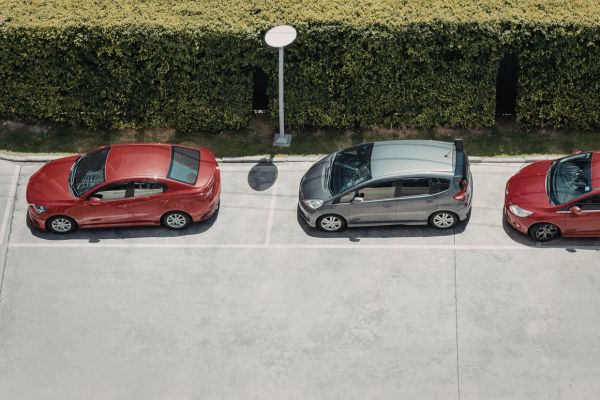
Choosing a car is rarely just about getting from one place to another. It’s about comfort, practicality, lifestyle, and sometimes even personality. For many drivers, the debate often comes down to one simple comparison: Sedans vs Hatchbacks. Both body styles have loyal followers, and each offers its own advantages depending on how and where you drive.
At first glance, the difference seems obvious. Sedans carry a classic three-box design with a separate trunk, while hatchbacks feature a rear door that swings upward, creating a single cargo space integrated with the cabin. Yet the decision between the two goes far deeper than shape alone. Factors like interior space, driving dynamics, fuel efficiency, and daily usability all play a role.
Understanding how these vehicles differ can make the buying process much clearer.
Understanding the Basic Design Differences
The most noticeable distinction between a sedan and a hatchback lies in the vehicle’s structure. A sedan traditionally follows a three-part layout: engine compartment, passenger cabin, and trunk. The trunk is separate from the interior, which helps isolate luggage and reduce cabin noise.
A hatchback, on the other hand, blends the passenger space and cargo area together. The rear door opens upward, revealing a larger storage area that can often be expanded by folding down the back seats. This design makes hatchbacks especially versatile when carrying bulky items.
From a design standpoint, sedans often appear longer and more formal, while hatchbacks tend to look compact and sporty. These visual cues influence how people perceive the cars, but they also hint at practical differences in everyday use.
Cabin Space and Comfort
One of the reasons sedans remain popular is the sense of structure and separation inside the vehicle. Because the trunk is isolated, passengers often experience less road noise and fewer vibrations from items stored in the rear.
Many mid-size sedans also provide generous legroom in the back seat, making them comfortable for long journeys or families with passengers who frequently ride in the rear.
Hatchbacks approach comfort in a different way. They may not always offer the same rear-seat legroom as a sedan, particularly in smaller models, but they compensate with flexible interior space. Folding the rear seats creates a large open area that can hold bicycles, furniture boxes, or travel gear without much effort.
Drivers who regularly transport larger items often find hatchbacks far more accommodating.
Cargo Capacity and Practicality
Cargo space is where hatchbacks typically shine. The liftgate design allows drivers to load items vertically and horizontally, which means taller or awkwardly shaped objects fit more easily.
For example, transporting luggage, sports equipment, or grocery runs becomes simpler when the rear seats fold down. The entire back of the car essentially becomes a flexible cargo compartment.
Sedans, however, offer a different type of practicality. Their trunks are enclosed and secure, protecting belongings from weather and keeping them hidden from view. For drivers who value privacy and security, this design can be reassuring.
Although trunk openings in sedans are smaller than hatchback liftgates, they are often deep and well-shaped, capable of holding several suitcases or shopping bags with ease.
Driving Experience and Handling
When comparing Sedans vs Hatchbacks, driving feel is another area where differences appear.
Sedans generally have a longer wheelbase and a more balanced weight distribution. This can create a smoother ride, particularly on highways. Many drivers appreciate the stability and calm driving experience sedans provide during long-distance travel.
Hatchbacks often feel lighter and more agile. Because they are typically shorter in length, they can be easier to maneuver in tight city environments or crowded parking areas. Urban drivers frequently prefer hatchbacks for this reason alone.
The difference isn’t dramatic in modern vehicles, but the subtle shift in handling characteristics can influence which type of car feels more comfortable behind the wheel.
Fuel Efficiency Considerations
Fuel efficiency varies widely depending on the engine and model, but hatchbacks often hold a slight advantage in this category. Their lighter weight and smaller size can contribute to better mileage, particularly in city driving conditions.
That said, modern sedans have become extremely efficient as well. Advances in engine technology, hybrid systems, and aerodynamics have allowed many sedans to deliver impressive fuel economy numbers.
In real-world driving, the difference between a compact sedan and a hatchback may be relatively small. Driving habits, engine size, and traffic conditions usually have a greater impact on fuel consumption than body style alone.
Parking and Urban Convenience
Drivers living in dense cities often prioritize practicality when it comes to parking. Hatchbacks generally have shorter overall lengths, which can make parallel parking and navigating tight spaces easier.
The upright rear design also provides better rear visibility in many cases, helping drivers judge distances more accurately.
Sedans require slightly more space due to their longer trunk area, but they still remain manageable for most drivers. Many modern vehicles now include parking sensors and cameras, which help offset the size difference.
Still, for drivers who frequently park on crowded streets or in compact garages, hatchbacks can feel a bit more convenient.
Safety and Structural Differences
Safety features today depend more on the specific model than the body style itself. Both sedans and hatchbacks can perform equally well in crash tests when equipped with modern safety technology.
However, the structural design can influence certain aspects. Sedans benefit from having a reinforced barrier between the cabin and trunk, which may help contain loose cargo during sudden stops or collisions.
Hatchbacks rely on cargo covers or secure storage methods to keep items from moving forward. Many vehicles include safety nets or tie-down points to address this concern.
Ultimately, safety ratings, driver-assistance systems, and build quality matter far more than whether the car is a sedan or hatchback.
Style, Image, and Personal Preference
Cars often reflect personal taste as much as practicality. Sedans have long been associated with elegance, professionalism, and traditional design. Their clean silhouette and balanced proportions appeal to drivers who appreciate a more classic automotive look.
Hatchbacks carry a different image. They are often seen as youthful, energetic, and modern. Their compact shape and practical layout attract drivers who prioritize flexibility and urban mobility.
These perceptions don’t define the vehicles entirely, but they influence how people feel about the car they drive.
Cost and Ownership Factors
Price differences between sedans and hatchbacks depend largely on the brand and model. In many cases, vehicles built on the same platform share similar pricing.
Compact hatchbacks can sometimes be slightly cheaper because of their smaller size, while mid-size sedans may cost more due to larger interiors and additional features.
Maintenance costs, insurance rates, and resale values also vary by manufacturer and region. Some markets favor sedans, while others have embraced hatchbacks for their practicality.
Rather than focusing solely on body style, buyers often benefit from comparing specific models within their budget.
Everyday Lifestyle Considerations
Choosing between these two body styles often comes down to how the car fits into daily life.
Drivers who frequently carry passengers or travel long distances may appreciate the smooth ride and structured cabin of a sedan. The quiet interior and separated trunk can make road trips feel more comfortable.
Meanwhile, drivers who value versatility might gravitate toward hatchbacks. The ability to expand cargo space instantly can make a noticeable difference when moving large items or packing for weekend activities.
Lifestyle plays a quiet but powerful role in shaping the right decision.
Sedans vs Hatchbacks: Which One Fits Your Needs?
The discussion around Sedans vs Hatchbacks rarely ends with a clear winner. Instead, it highlights how different vehicles serve different purposes.
Sedans offer refinement, comfort, and a traditional driving experience that many drivers continue to appreciate. Hatchbacks bring adaptability, compact design, and practical storage solutions that suit busy, modern lifestyles.
Both body styles have evolved over the years, incorporating advanced safety features, improved fuel efficiency, and better interior technology.
A Final Perspective
In the end, choosing between a sedan and a hatchback isn’t about determining which design is objectively better. It’s about understanding how each type aligns with the way you live and drive.
A sedan may feel right for someone who values comfort, quiet rides, and a timeless design. A hatchback might suit someone who wants flexibility, easier city driving, and adaptable storage.
Both vehicles have earned their place on the road for good reason. The real answer lies not in the debate itself, but in which one feels like the natural fit when you imagine your daily routine behind the wheel.